
A CLASSIC, REENGINEERED by REEN
AN ICON, TAKEN FURTHER
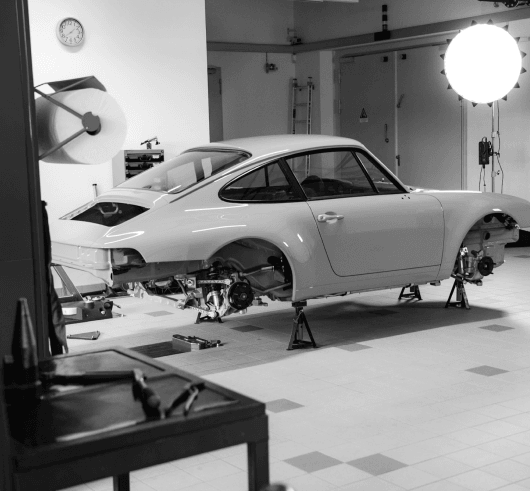
Engineered by the mastermind who designed the greatest naturally aspirated BMW M, McLaren F1 and the most powerful aircooled 2-cylinder engines. Drawn by the hand that shaped the 993 and a Le Mans winner.
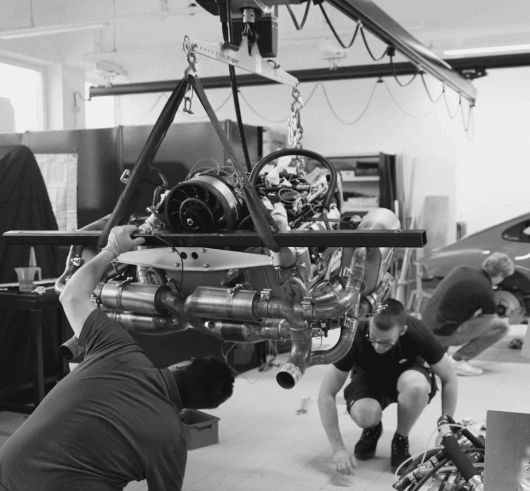
Restored, built and tested by Professionals
CONCEIVED BY ENTHUSIASTS FOR ENTHUSIASTS



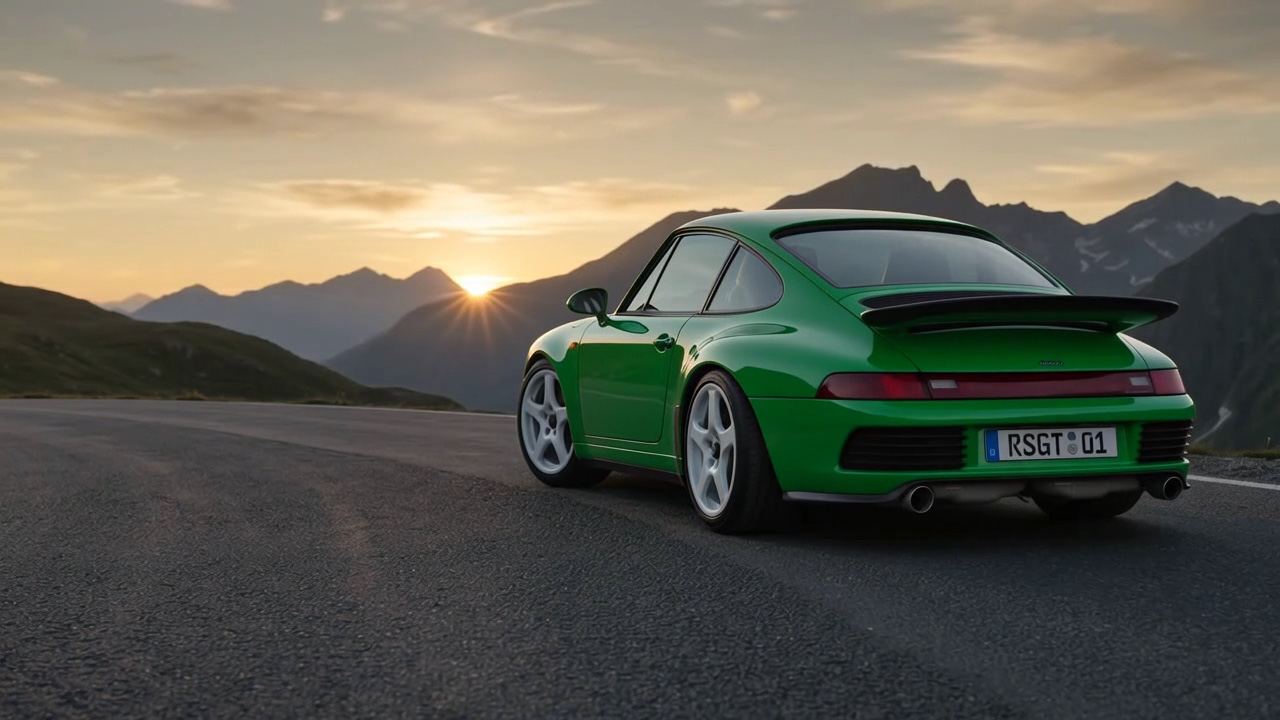

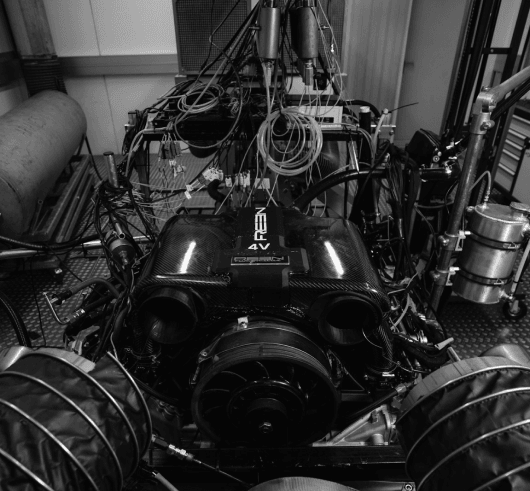
The Engine
The original engine architecture remains. Everything else evolves. A newly developed 4-valve cylinder head transforms the aircooled flat-six into an engine unlike any before it.
The Evolution
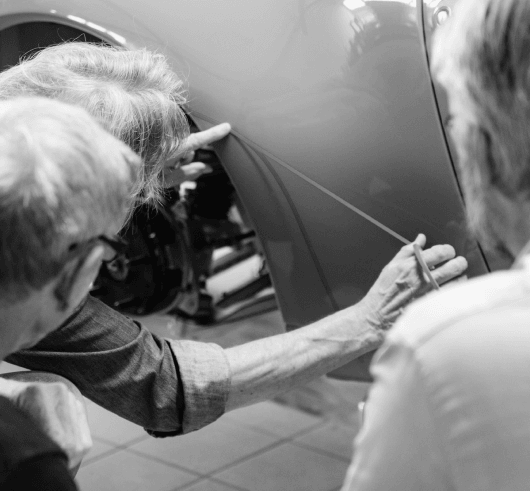
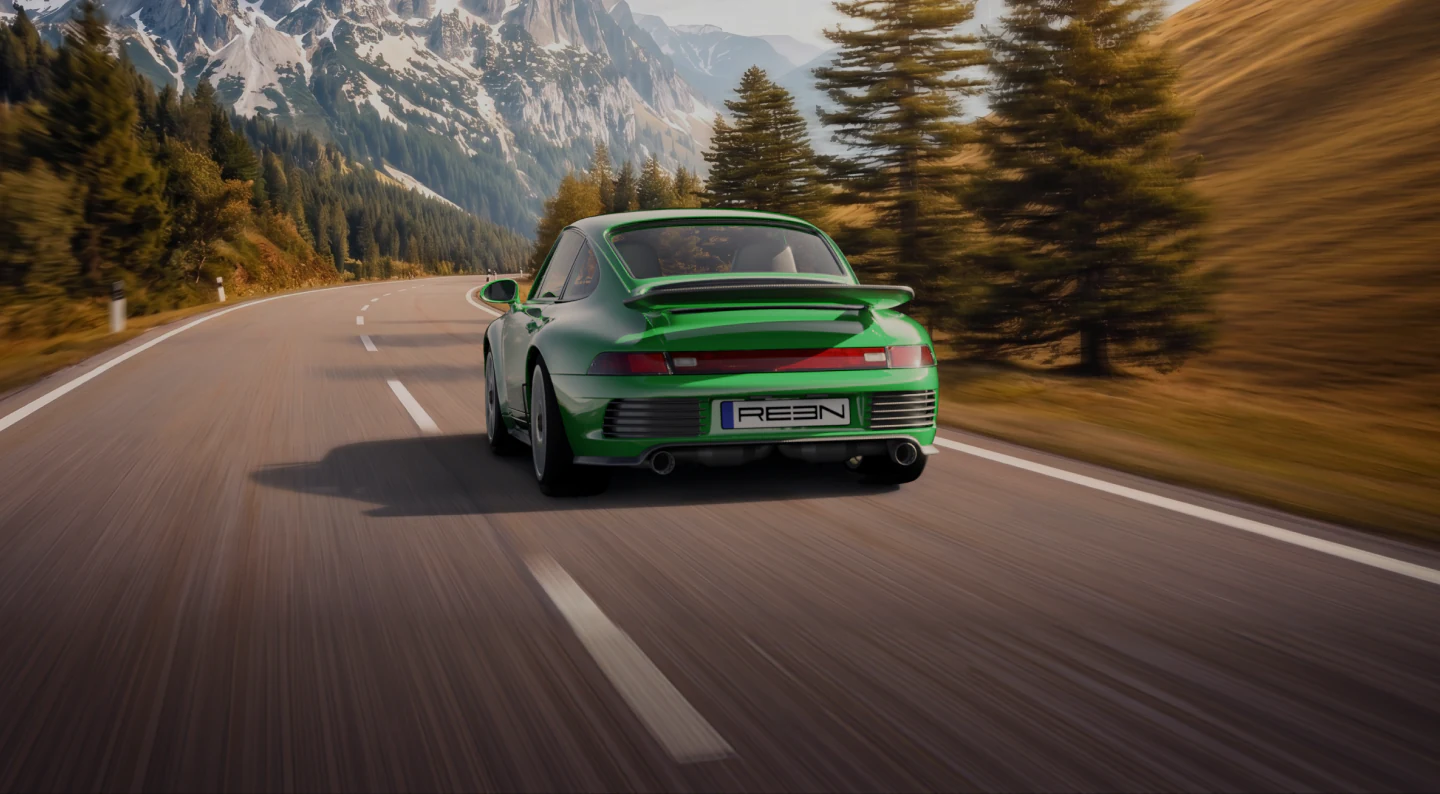
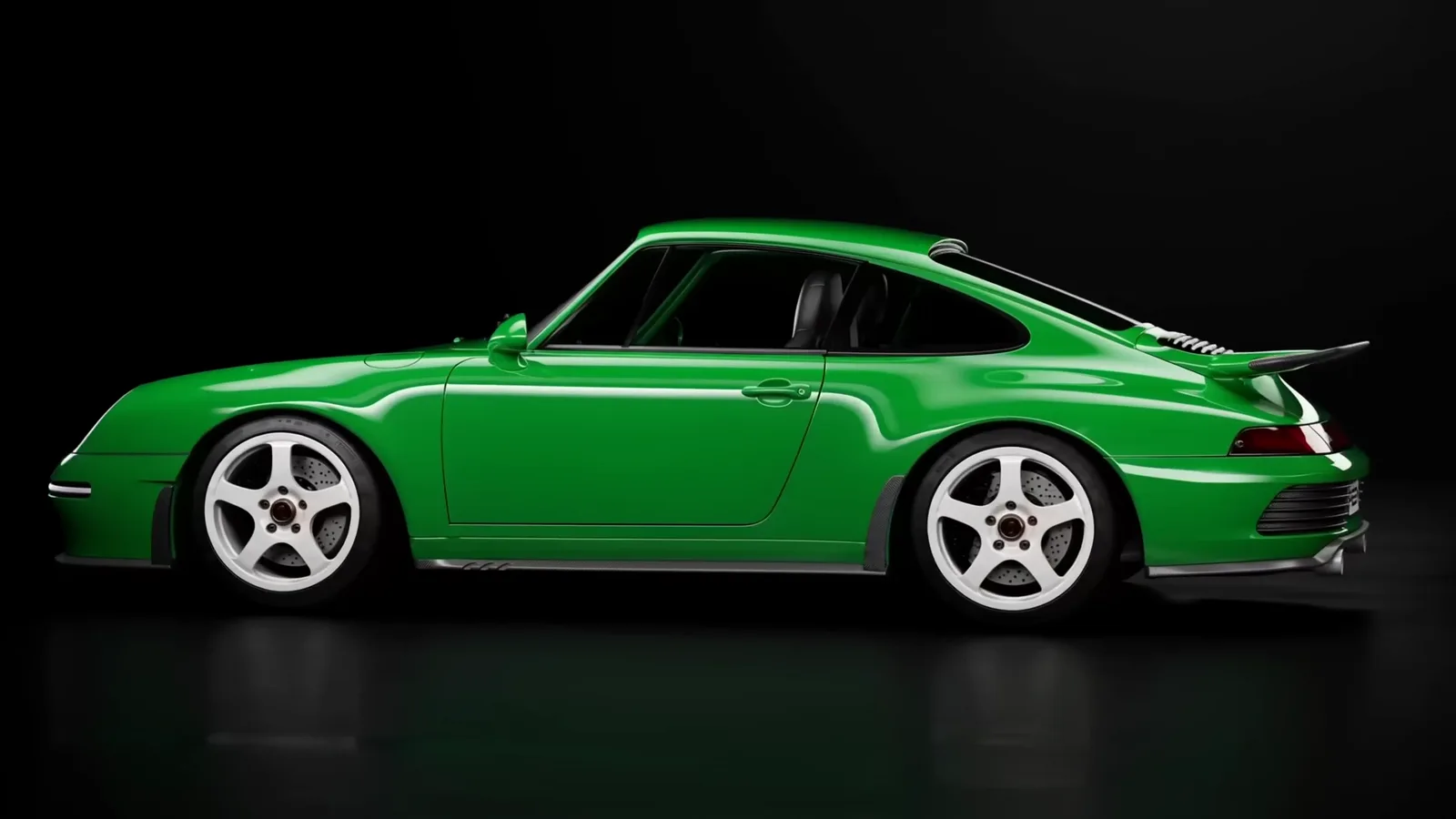
Technology remains discreet. The engineering does not. Every exterior modification improves cooling, aerodynamics or functionality while preserving the original silhouette and the unmistakable character.
The Drive
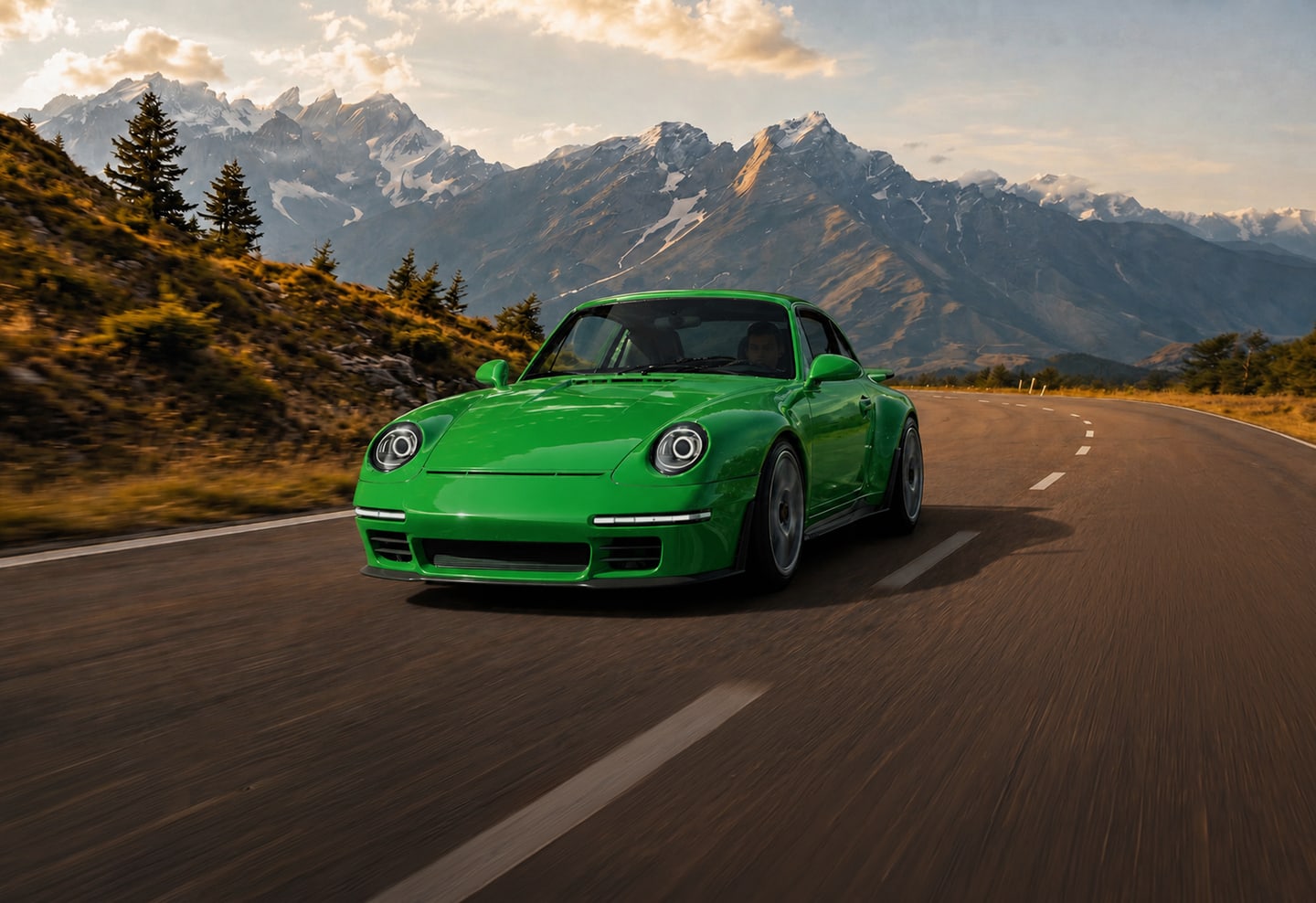
Classic emotion. Modern confidence. REEN Drive control allows the driver to tailor power delivery, traction control, ABS, ESP and rev matching without diluting the mechanical connection between driver and machine.
A New Category: The Reengineered Classic.
World Firsts for the ultimate Aircooled experience.
For more than thirty years, one question remained unanswered: How far could the aircooled flat-six have evolved if today's engineering had existed back then?
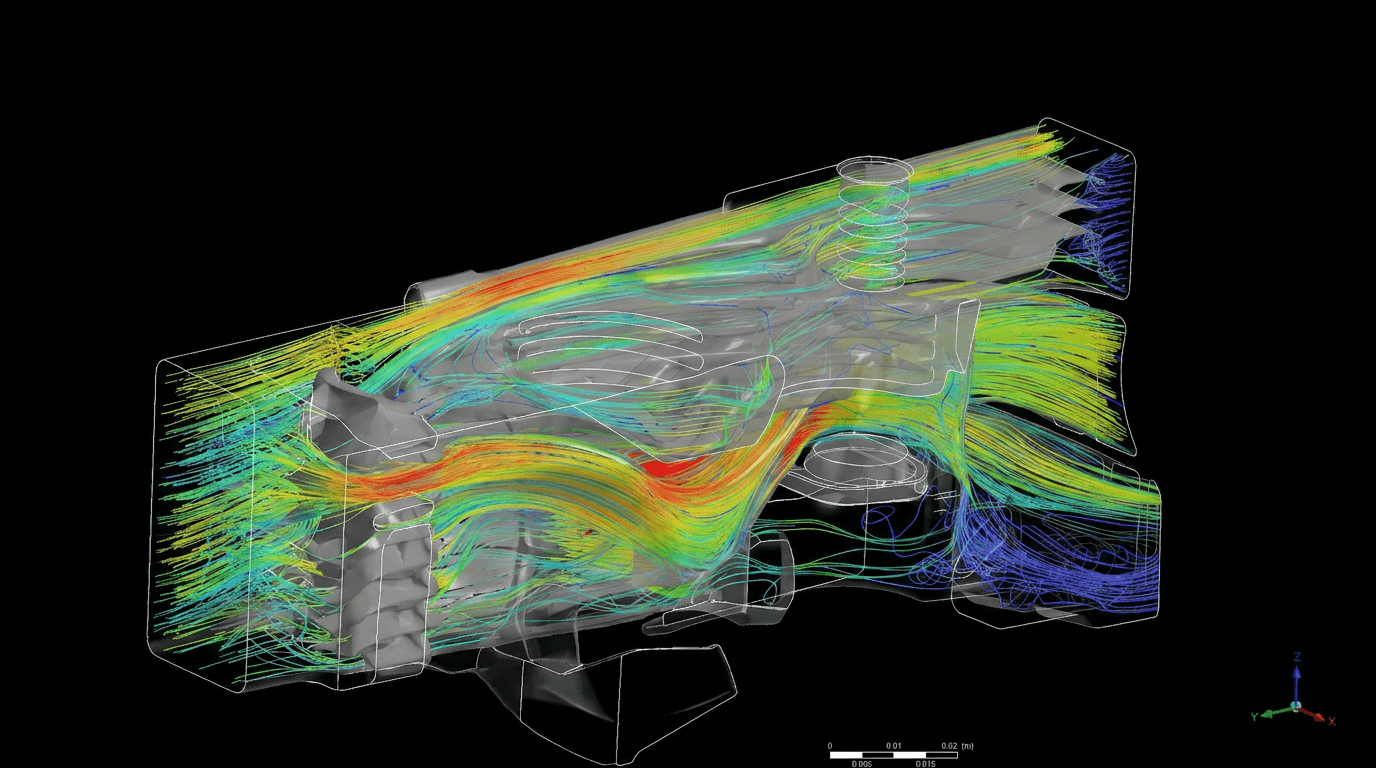
Not a Physics Problem
A mould cannot form a cavity it has no way out of. That single limitation kept cooling away from the hottest point of an aircooled engine, the valve seat, for three decades. The idea was never the problem. The casting was.
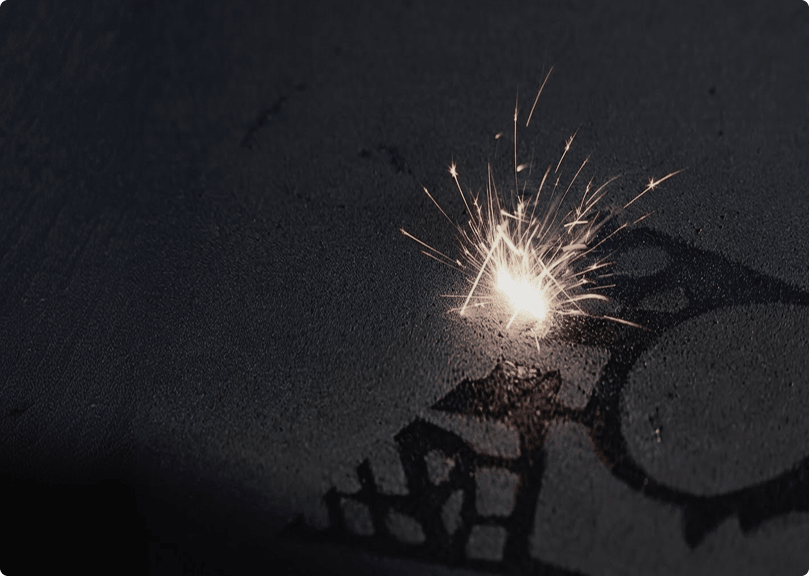
Printed into Existence
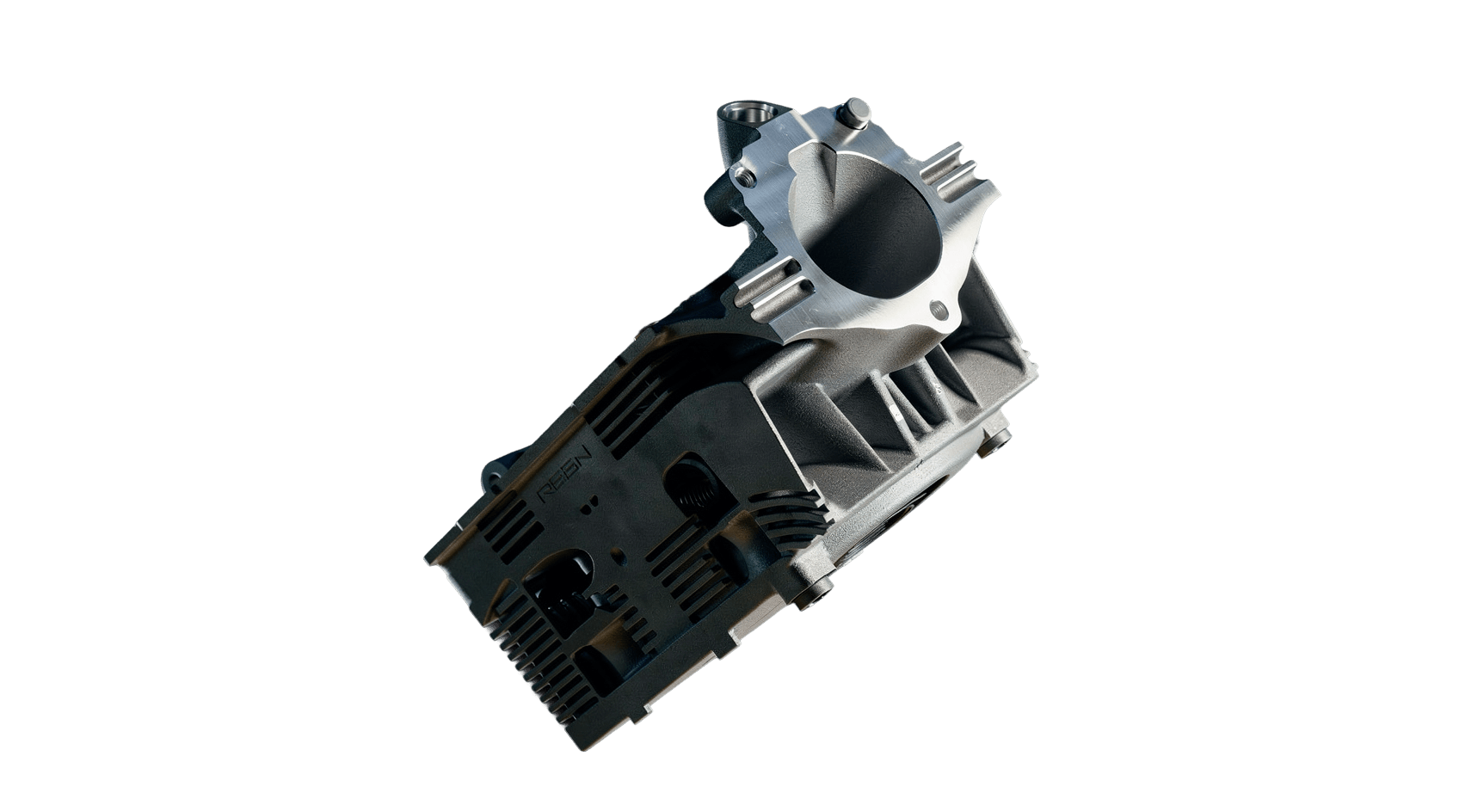
Laser Powder Bed Fusion builds the REEN cylinder head layer by layer, placing cooling channels exactly where the heat sits, inside the valve seat area, where no mould could ever reach. 168 hours per head.
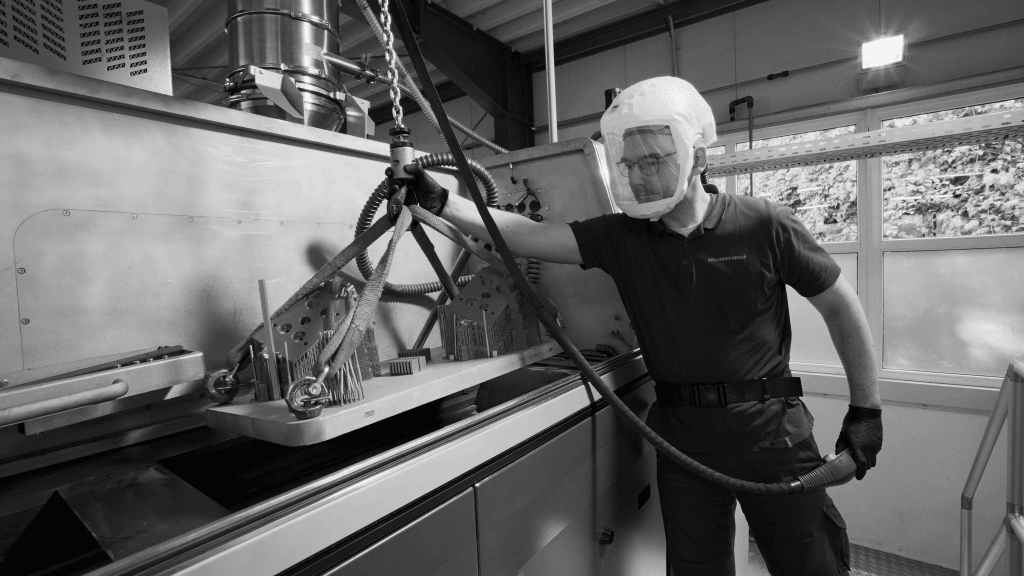
Freed by Hand
Every gram of unfused powder is removed by hand before a machine is allowed near the part. The work is done by Böllinger Group, a partner from automotive series production.
Machined to the Micron
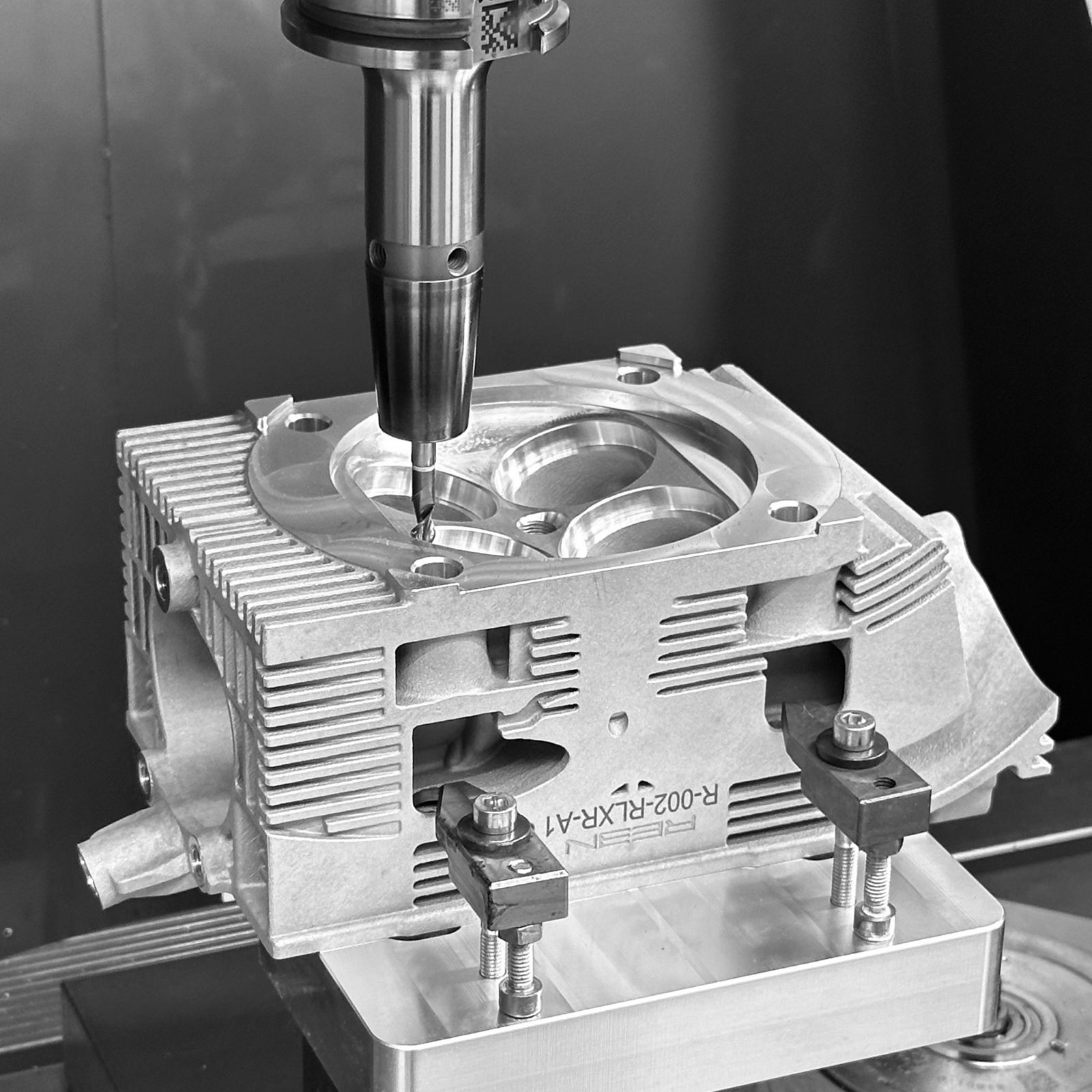
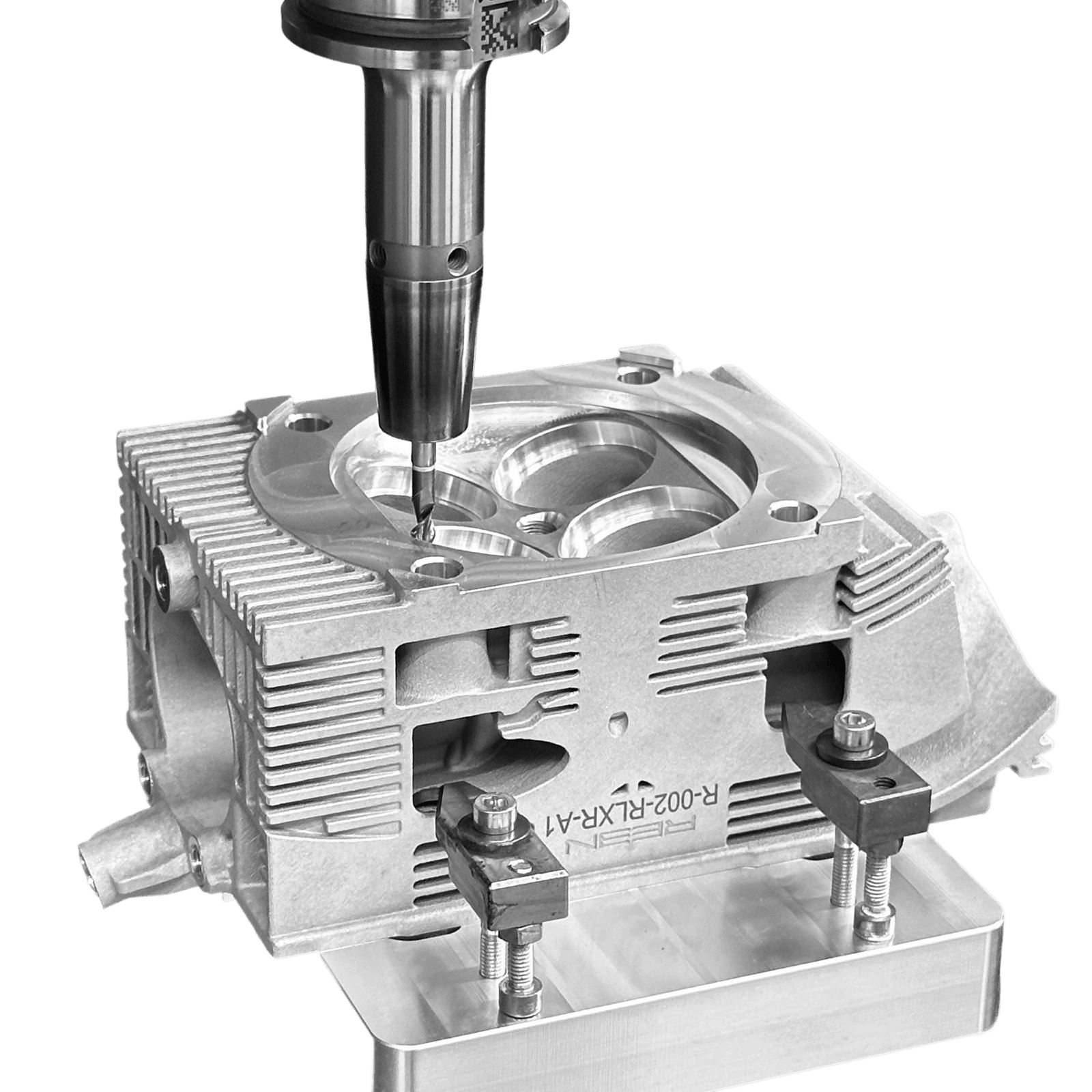
5-axis CNC machining takes every sealing and bearing surface to final tolerance. What the printer forms, the mill finishes.
Built to Take the Heat
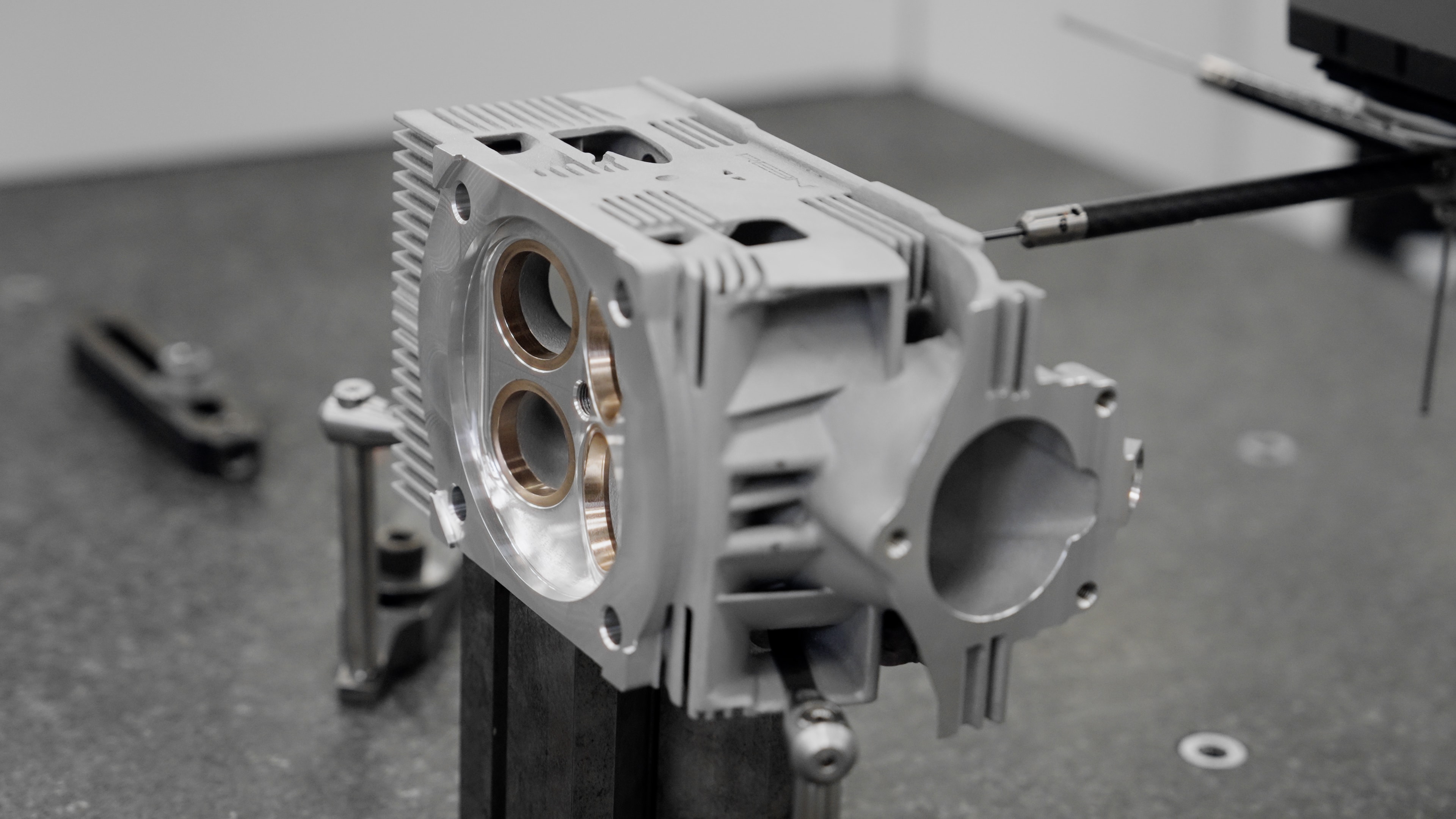
Valve seats and guides are specified through dedicated material research. They sit where an aircooled engine has always been at its weakest, and they are the reason this one is not.
Proven, Not Promised
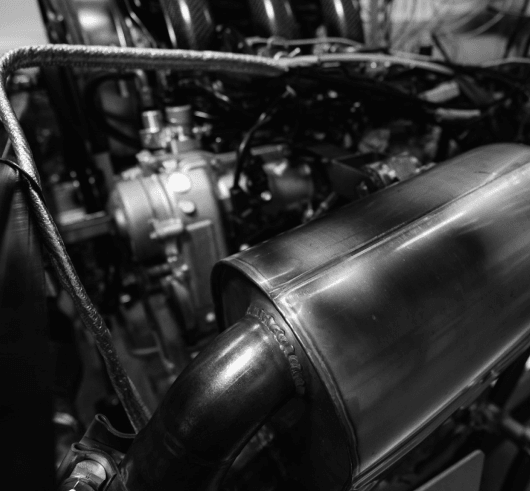
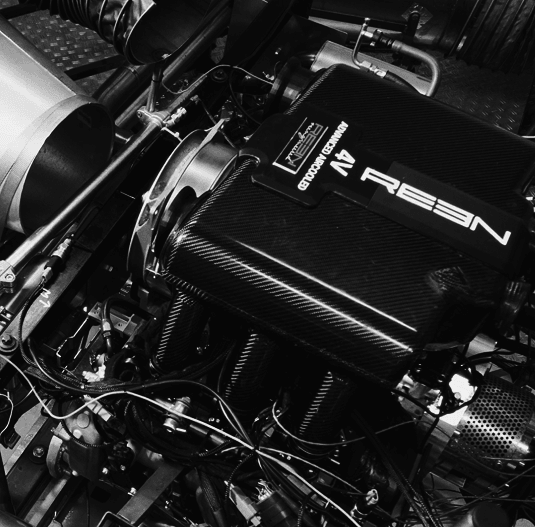
24 hours on the dyno, full Spa-Francorchamps load profile. Temperatures within the range of traditional water-cooled engines. 462 hp at 8,500 rpm, aircooled.
A Team for Innovation
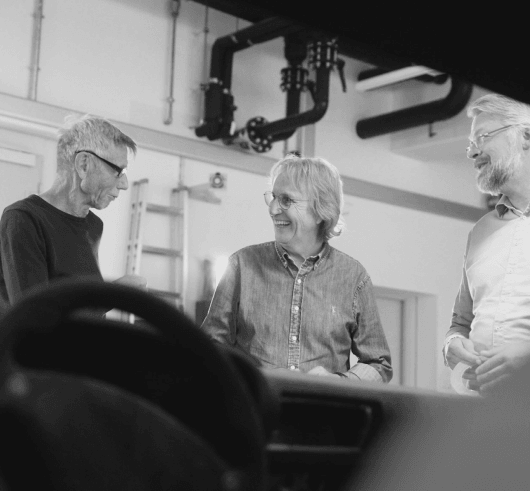
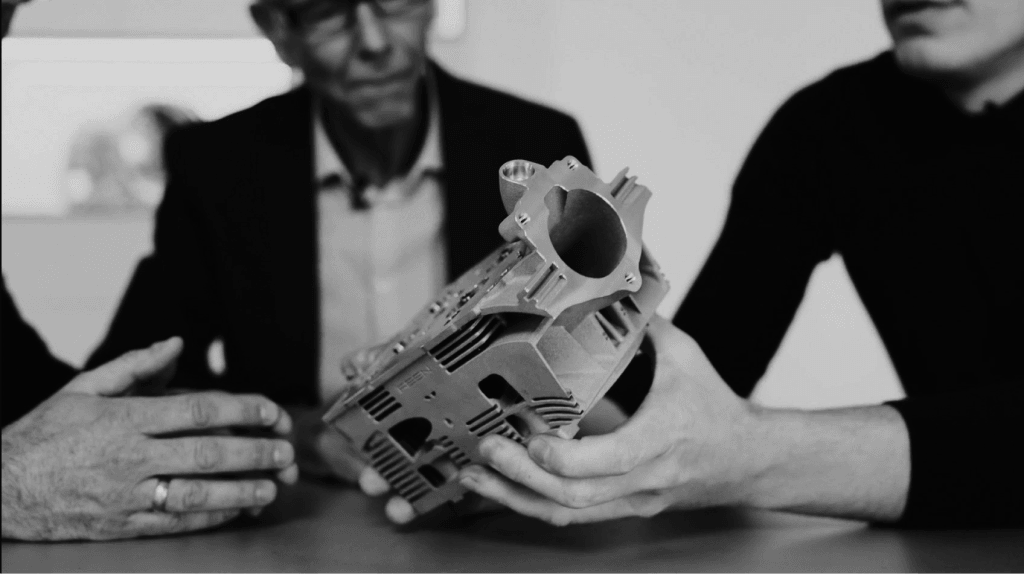
Two generations, one part. An engineer who spent a career chasing aircooled power, and a founder who asked whether it could be done differently.

TESTED FOR 24 HOURS UNDER ENDURANCE RACING CONDITIONS. The full load profile of Spa-Francorchamps, recreated on the Bovensiepen Engineering dyno.
REEN AIRCOOLED 4-CAM ENGINE
REEN 4-CAM AIRCOOLED ENGINE 3.89L NATURALLY ASPIRATED
Perfection lies in the details
MEET THE LEGENDS BEHIND REEN
WOLFGANG NEHSE
Iconic engines
WOLFGANG NEHSE
Iconic engines
Printed into existence
A TOUR DE FORCE BY A MASTERMIND
REEN aircooled CH
THE REVOLUTION THAT HAD TO WAIT 30 YEARS
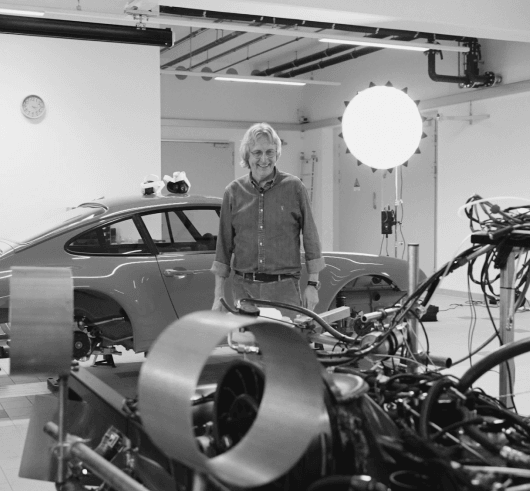
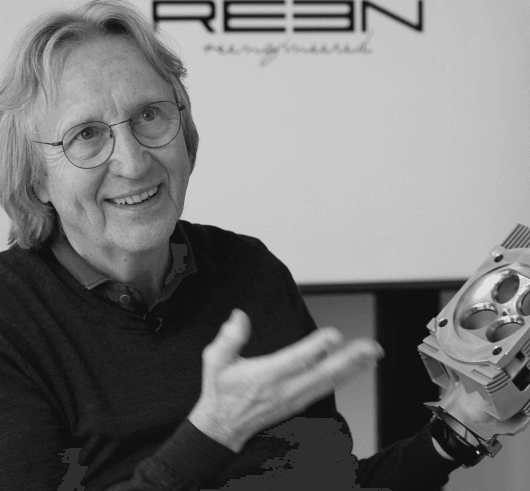
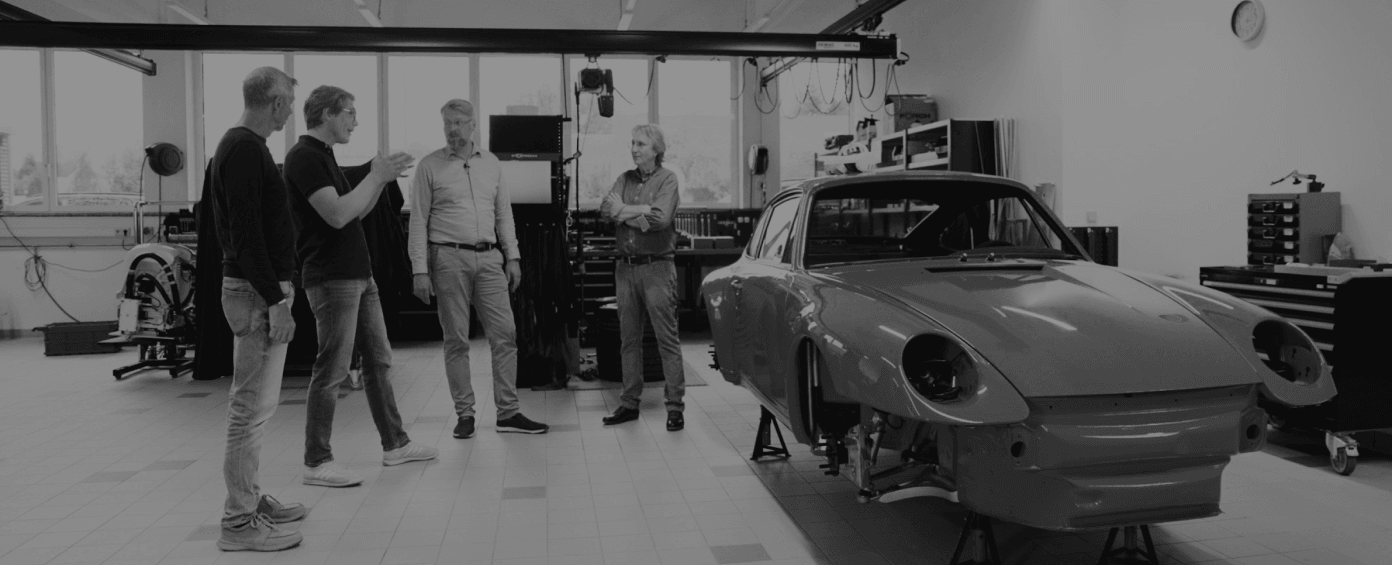
Few engineers can claim to have shaped the sound of an era. Wolfgang Nehse is one of them. His work carried BMW Motorsport to victory at Le Mans, Spa, the Nürburgring and the Rallye Paris-Dakar. From the BMW S14, S50 and S54, powering the M3s from the E30 to the E46 CSL, to the twelve-cylinder S70/2 at the heart of the McLaren F1, his hand shaped a generation of award-winning, naturally aspirated engines. Then he turned to a different challenge. Leading engine development at BMW Motorrad, Nehse set out to bring the air-cooled engine to a new performance level, applying everything motorsport had taught him.
The proof came with the air-cooled BMW HP2 Sport engine. Born from Paris-Dakar experience, it remains, to this day, the most powerful air-cooled, high-revving four-valve boxer motorcycle engine ever built, reaching a specific output on par with the contemporary Porsche 997 GT3 generation.
On a motorcycle, each cylinder stands free in the airstream. In a flat six, three cylinders sit in line, hidden in the rear of the car, and no conventional casting could cool all four valves and their seat rings to survive endurance testing. For thirty years, the four-valve air-cooled flat six remained a dream.
Additive manufacturing changed everything. Geometries no foundry could ever produce - internal cooling channels routed precisely where the heat is, can now be printed in metal. Fluid dynamic were designed around one singular goal: the world's first truly durable, high-performance air-cooled four-valve flat six. Proven under endurance racing conditions*, its cooling capacity exceeds anything ever achieved in an air- and oil-cooled engine. Thirty years later, a dream has come true. This is reengineering. It is the dream of the ultimate air-cooled engine, finally fulfilled. *(TESTED FOR 24 HOURS UNDER ENDURANCE RACING CONDITIONS. The full load profile of Spa-Francorchamps, recreated on the Bovensiepen Engineering dyno.)
TONY HATTER
Iconic designs
TONY HATTER
Iconic designs
THE DESIGNER
ICONIC DESIGN PERFECTED
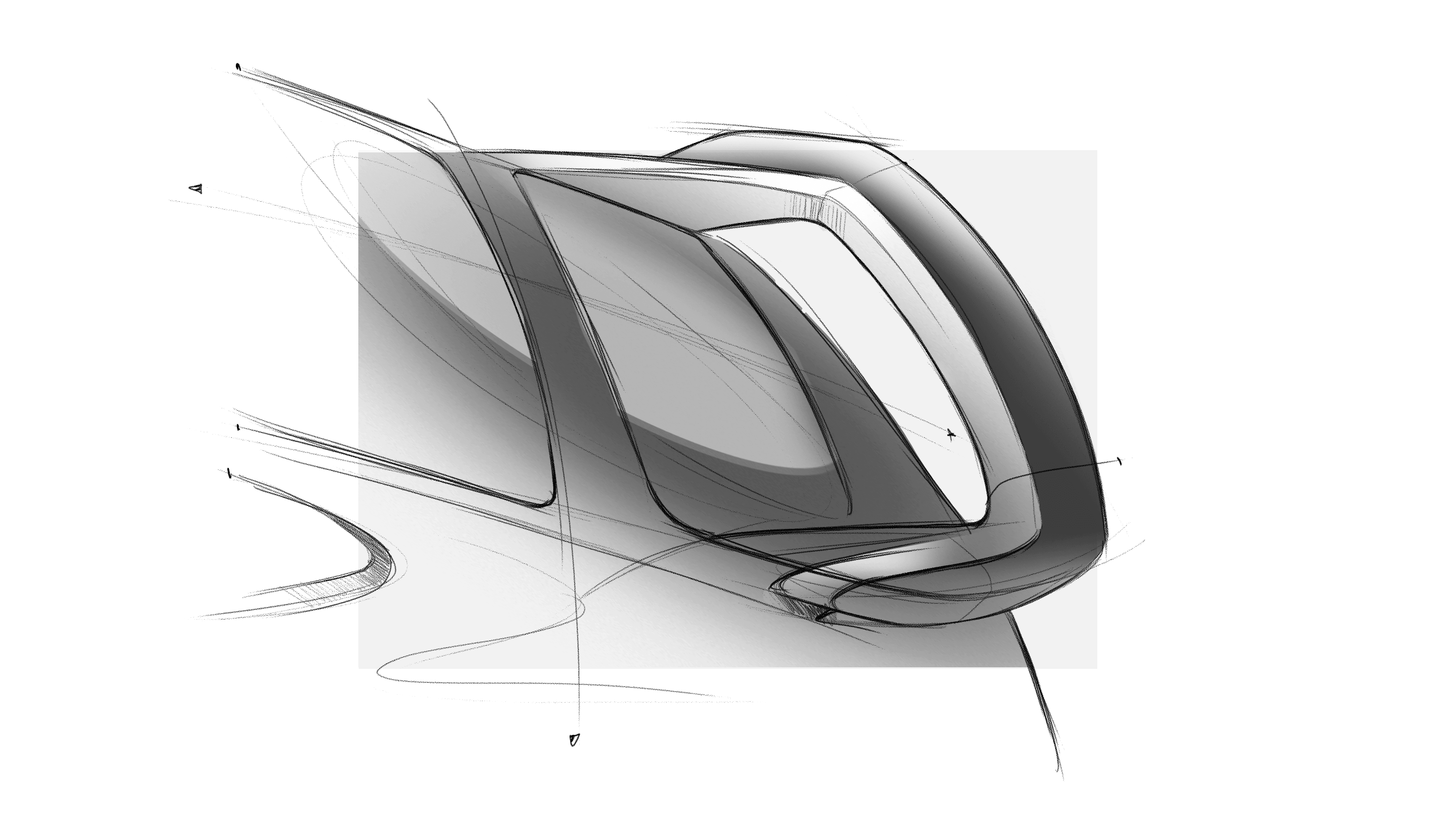
Tony Hatter spent 34 remarkable years at Porsche, shaping the silhouettes that came to define the marque. His hand touched the last air-cooled 911, a Le Mans-winning race car, and one of the most revered supercars ever built.
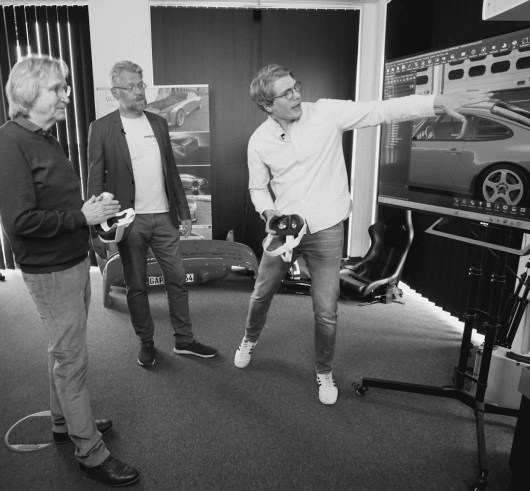
At a time when clay modelling was still the industry standard, Hatter was among the first to utilize CAS - computer-aided styling. This design process revolution spread through the studio, and he soon contributed digital work for the racing departments too. He proved that artistry and technology need not be opposites - that together, they could define a new era of design.
For REEN, Hatter applied these advanced design tools to bring his concept into the modern age. The nucleus of this project, the revolutionary four-valve cylinder head, remains hidden deep within the engine. So Hatter chose to reflect that innovation through the exterior itself: subtle, restrained, yet highly functional solutions that quietly communicate the engineering beneath the surface, while preserving the integrity of the original chassis and its silhouette.
PHILIP HOFFMANN
PHILIP HOFFMANN
THE FOUNDER
REEN DRIVE
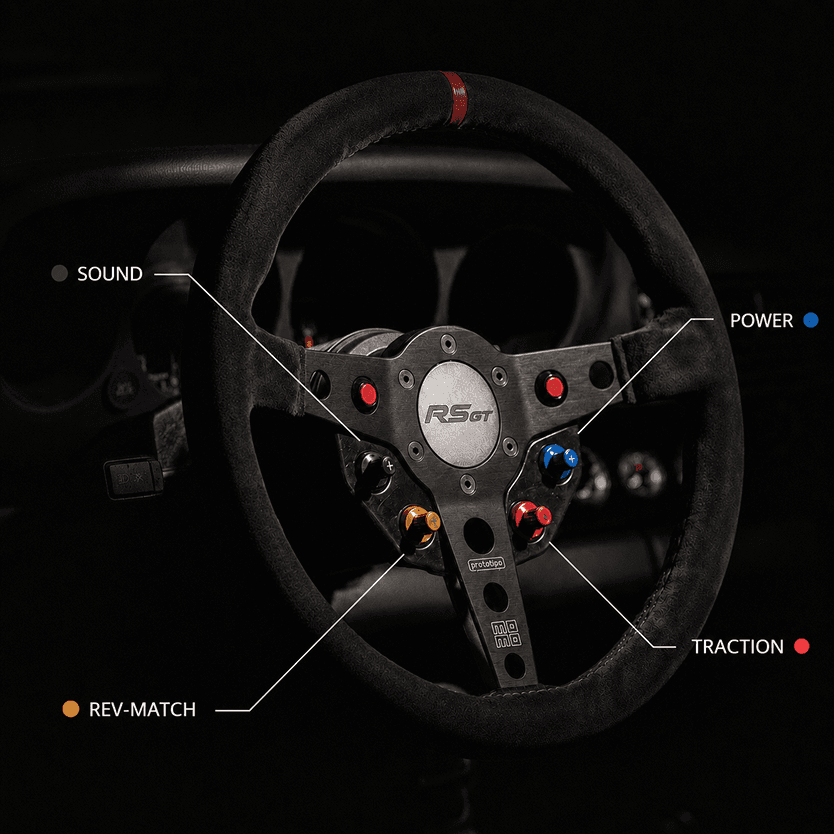
A dual e-flap sport exhaust with twin end ducts, opening and closing with speed - or your mood. From a quiet, restrained note for the everyday to full motorsport drama at the turn of a dial.
Click through four modes that transform the car's character from relaxed grand tourer to sharp race car. Softer mapping calms the response; sharper mapping delivers instant, violent acceleration - dialling in exactly how intense each drive should feel.
Adjustable traction control: from wet-weather safety to full drift. It intervenes early to keep you secure, or steps back to allow slip, rotation, and a controlled slide. You decide how much the car moves beneath you.
Every downshift, perfectly timed. An automatic throttle blip matches gearbox and wheel speed - keeping the car balanced through corners and delivering that addictive heel-and-toe feel without the footwork. Tunable from seamless to vivid and emotional.
The lifelong obsession for great engines and classic sports cars taught me one thing above all: the classics we love are not easy to live with. Their rawness is the very thing that makes them extraordinary. It is also what keeps them from the roads they deserve to be driven on.
That gap and the love for engineering and heritage became my mission. REEN was born from one conviction: the classics we love deserve to be brought into modernity - elevated to today's standards of performance, safety, and adaptability without surrendering the unfiltered driving emotion that made them icons.
PERFECTION LIES IN THE DETAILS